
Clean cooking now reaches 262 households in Bidibidi
Savings groups of refugee and host community neighbours make clean stoves and briquettes locally, so families spend less time and money on fuel and breathe less smoke.
Why this programme exists
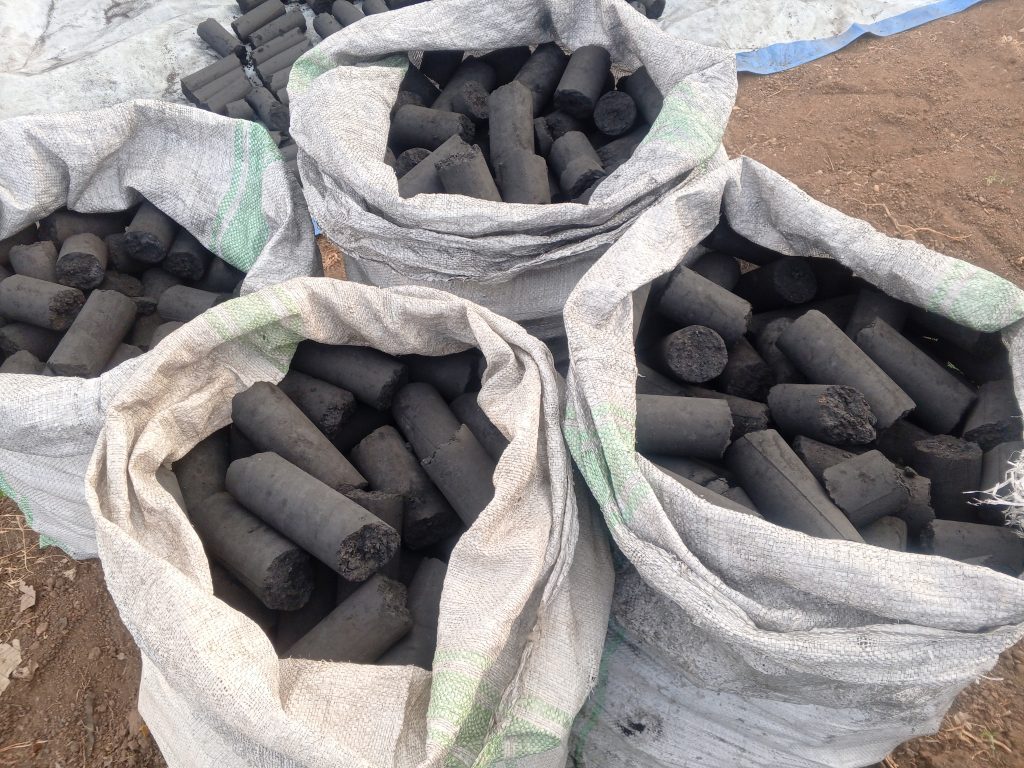
Many households in Bidibidi cook on three-stone fires, burning firewood and charcoal. Collecting fuel takes hours, the smoke harms health, and the demand for wood adds to deforestation and desertification in Yumbe District. WCI works with local savings groups to produce clean stoves and briquettes close to home, so cooking costs less and is safer..
Community led
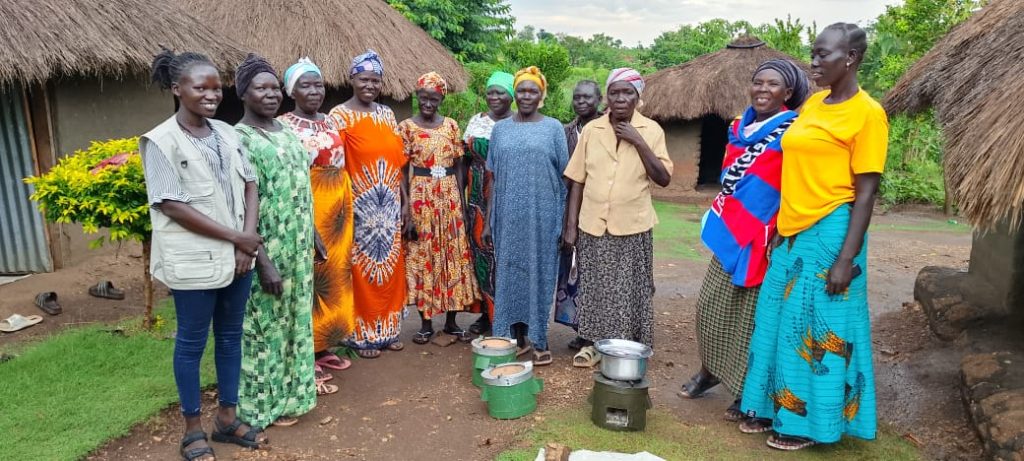
The work is community-led. Each savings group has up to 30 members, village leaders help mobilise neighbours, and WCI provides training, monthly mentoring and marketing, so groups can focus on production.
What the programme does
Savings groups and matched loans
Weekly savings, matched through the THEA programme, buy the equipment and materials groups need.
Who it serves: Refugee and host community members
Where: Bidibidi Settlement
Learn more
Weekly savings, matched through the THEA programme, buy the equipment and materials groups need.
What this looks like
Mixed groups of refugees and host community neighbours, with up to 30 members each, save together every week. The savings are matched through THEA to buy production equipment and materials, and the group repays the loan over time. So far, 5 groups with 150 members have been formed, and 70% of them are women.
What people learn
- How a village savings and loan group works
- How a matched loan works, and what each member’s role is
- How repayments return to WCI, so the money can be lent to other groups
- How working in a joint group builds trust between refugees and host community neighbours
Get involved
Want to know how the groups work? Contact us and we will explain.
Stove building and briquette production
Practical training so group members can build energy-saving stoves and make carbonised briquettes.
Who it serves: Women and men in savings groups
Where: Production sites in Zone III
Learn more
Practical training so group members can build energy-saving stoves and make carbonised briquettes.
What this looks like
Training is hands-on, and members then produce at their own sites. A motorised machine presses briquettes at up to 2,000 kg a day, a solar drier keeps production going, and three groups have tools to build stoves. 141 people have been trained, 100 women and 41 men.
What people learn
- How to build an energy-saving stove from start to finish
- How to make carbonised briquettes and dry them with solar power
- How to keep quality high so customers come back
- How to solve production problems locally and train others
Get involved
Interested in buying a stove or briquettes, or in learning the skills? Contact us and we will connect you with a group.
Awareness and cooking demonstrations
Village sessions and live demonstrations that show how clean cooking works and why it matters.
Who it serves: Households in refugee and host communities
Where: Villages across Bidibidi
Learn more
Village sessions and live demonstrations that show how clean cooking works and why it matters.
What this looks like
Awareness sessions in 10 villages reached 1,240 people, 60% of them women. Cooking demonstrations in villages I to IV and VI reached more than 301 households in Zone III. Village leaders now help mobilise their neighbours.
What people learn
- Why three-stone fires harm both health and forests
- How a clean stove cooks with less smoke and less time collecting fuel
- How briquettes can replace firewood and charcoal
- How households can save time and money on cooking fuel
Get involved
Some people are still unsure about briquettes. If you have questions, ask us or come to a cooking demonstration in your village.
Mentoring and market links
Regular support visits to keep quality high, and market connections so groups can sell what they make.
Who it serves: Savings group producers
Where: Bidibidi and Yumbe town
Learn more
Regular support visits to keep quality high, and market connections so groups can sell what they make.
What this looks like
WCI staff visit each group every month for mentoring and quality checks. WCI handles marketing, so groups can focus on production. Stove quality has improved and customer complaints have dropped. Two traders in Yumbe town and one institution have said they are interested in buying briquettes in bulk.
What groups get
- Monthly mentoring and quality checks
- Cooking demonstrations that bring customers to the group
- Links to traders and institutions that buy in bulk
- The confidence to produce and train others without outside help
Get involved
Are you a trader or institution interested in buying clean stoves or briquettes in bulk? Contact us.
Explore our other programmes


Protection and health
Growth food and income from land” should be “Grow food and income from land