
Care and safety reach 1,231+ young people and mothers
Information, awareness, and protection support that helps young girls, boys, and young mothers in Bidibidi understand their rights, their health, and where to turn when they need help.
Why this programme exists
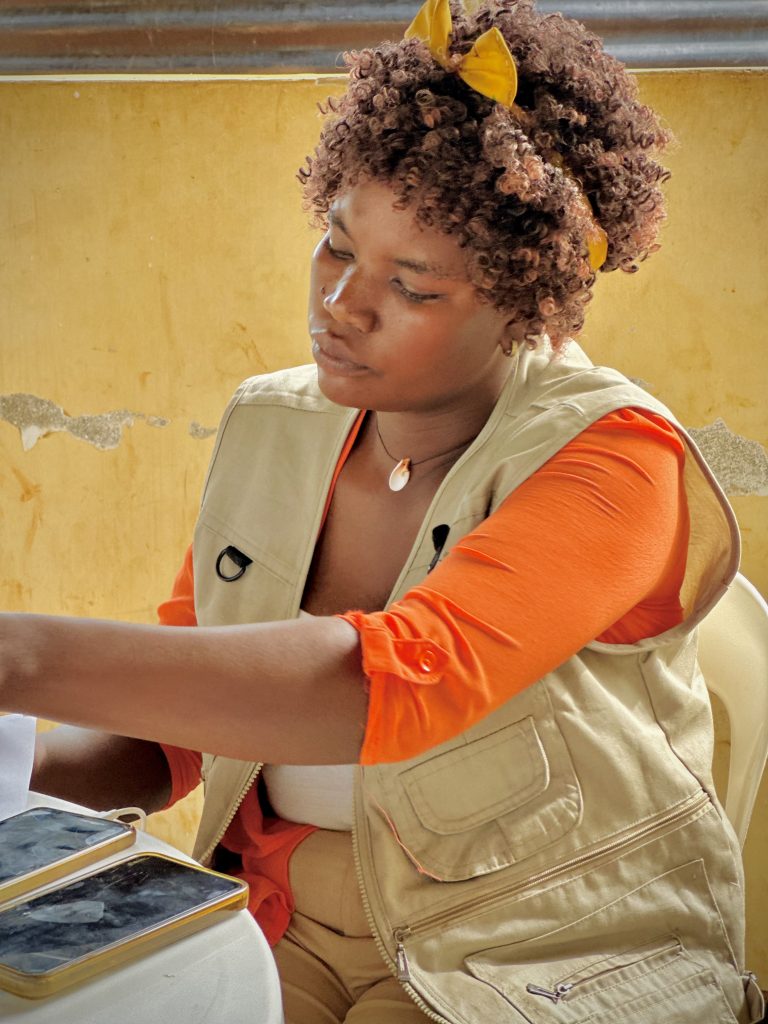
Many young people and young mothers in the settlement have limited access to accurate information about their sexual and reproductive health, or to support when they experience gender-based violence. WCI works directly in communities and schools to close that gap through awareness sessions, one-on-one support, and practical materials that protect dignity as much as health.
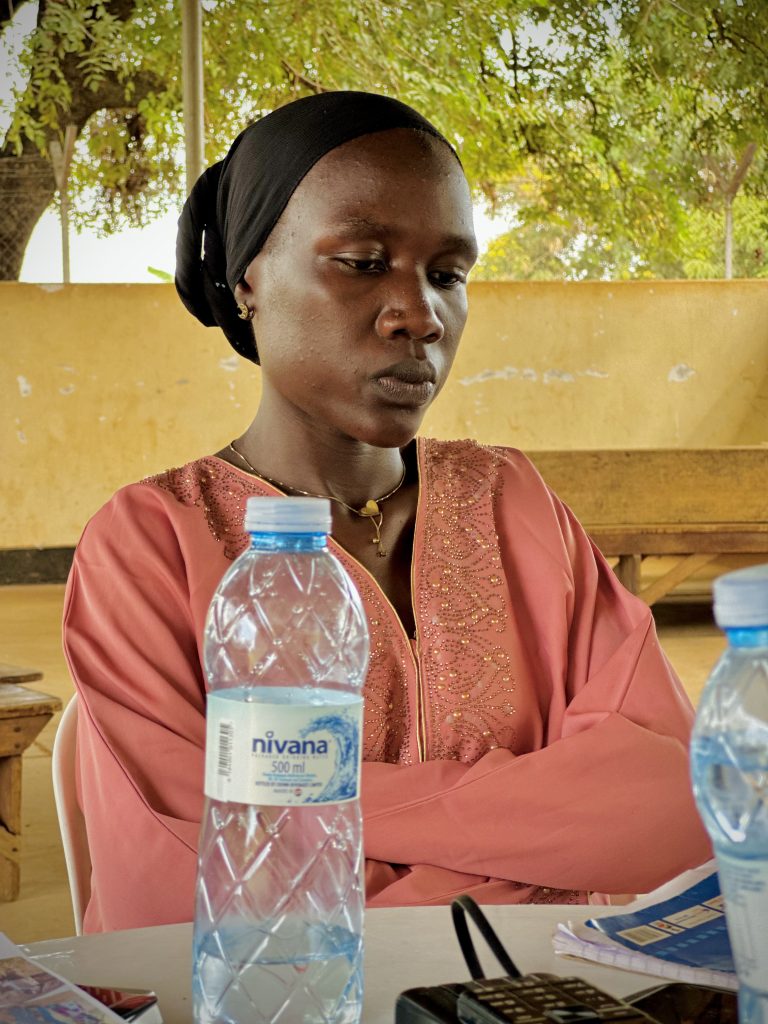
The work is community-led. Facilitators are trusted local figures, sessions happen where people already gather, and follow-up support is available for anyone who needs it beyond a single conversation.
What the program does
Sexual and reproductive health information
Age-appropriate, accurate information for young people and young mothers on the health topics that affect their daily lives and decisions.
Learn more
Age-appropriate, accurate information for young people and young mothers on the health topics that affect their daily lives and decisions.
What this looks like
Small, friendly group sessions led by trained facilitators in schools and community spaces. We use plain language and age-appropriate material, and there is always a safe way to ask questions privately.
Topics covered
- Puberty and changes in the body
- Menstrual health and hygiene
- Pregnancy, family planning and contraception options
- Preventing HIV and other infections
- Antenatal and postnatal care for young mothers
- Where to find youth-friendly health services nearby
Why it matters
Where accurate information is hard to find, myths fill the gap. Young people and young mothers who understand their bodies can make safer decisions and seek care earlier.
Gender-based violence awareness
Sessions that help community members recognise GBV, understand it is not normal, and know what support and reporting channels exist locally.
Learn more
Sessions that help community members recognise GBV, understand it is not normal, and know what support and reporting channels exist locally.
What this looks like
Community conversations with women, men, young people and local leaders, using group discussion and role-play so everyone can take part and speak openly.
What people learn
- The different forms of GBV, including physical, sexual, emotional and economic violence, and early or forced marriage
- That violence is never the survivor’s fault and is never “normal”
- How to respond when someone tells you: listen, do not blame, and point them to help
- How and where to report safely
Where to get help
If you or someone you know is at risk, speak to a trusted community leader, health worker or protection officer. You can also reach out to us and we will connect you to the right service.
Protection support and referrals
Direct support and referrals for vulnerable community members, connecting people to the services and follow-up care they need.
Learn more
Direct support and referrals for vulnerable community members, connecting people to the services and follow-up care they need.
How referrals work
- We listen and understand what the person needs
- We connect them to the right service
- We follow up to make sure they actually received the support
Services we connect people to
- Health care, including care after violence
- Counselling and psychosocial support
- Legal and police support
- Child protection and case management
Our approach
Everything is confidential and based on consent. People are treated with dignity and are never pushed into a step they have not agreed to.
Menstrual dignity
45 menstrual cups distributed to vulnerable girls, so that girls can stay in school with confidence and dignity.
Learn more
45 menstrual cups distributed to vulnerable girls, so that girls can stay in school with confidence and dignity.
The challenge
When girls cannot get safe, affordable menstrual products, many miss school days, use unsafe alternatives, or stay home out of fear of leaking and shame.
What we did
- Distributed 45 menstrual cups to vulnerable girls at Para Primary School
- Chose a reusable option, so the support lasts well beyond a single month
The impact
A menstrual cup can be used for years, giving girls lasting protection so they can stay in school with confidence and dignity.


